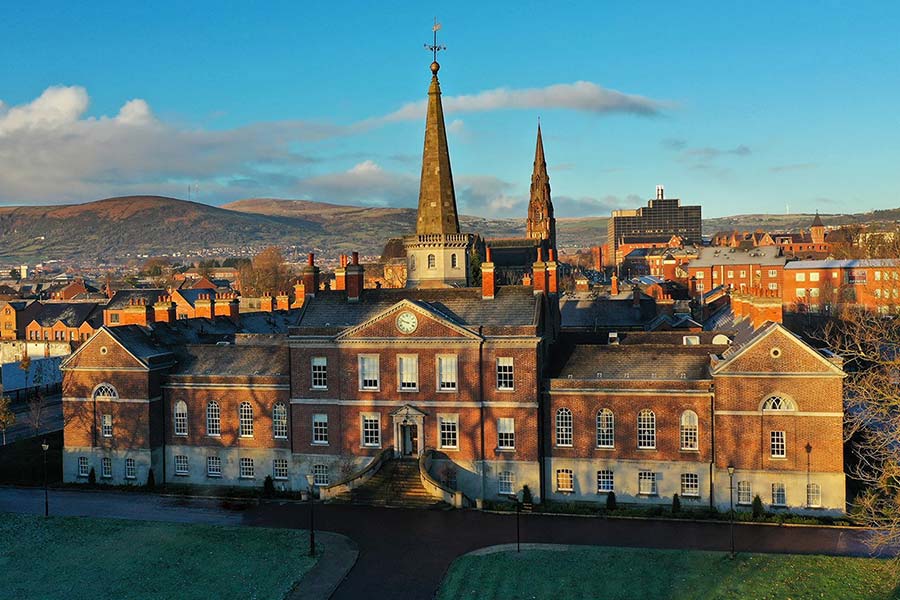
Clifton House: The Story of Belfast’s oldest poor house
Standing just north of the City Centre, at Stop 19 lies one of the city’s most remarkable historic buildings. Opened in 1774 by the Belfast Charitable Society, it was Belfast’s original Poor House and remains the oldest working building in the city, still owned by its founding organisation.
The Belfast Charitable Society was founded in 1752, when a wealthy and influential group of philanthropists had the radical idea to provide care for the city’s poorest and most vulnerable. At a time when no formal welfare system existed, the Society aimed to offer not only food and shelter, but education and training.
After decades of fundraising, land was donated by Arthur Chichester, Marquis of Donegall. The building was designed by architects Thomas Cooley and Robert Mylne, based on Robert Joy’s vision of what the Belfast Poor House should look like’. Built using locally sourced materials, such as clay from the site, Dunmurry stone, and sand dredged from the River Lagan, Clifton House was literally made of Belfast.
Within it’s walls
Clifton House was more than just shelter. Residents were trained in skills such as weaving, spinning, knitting, and net-making, helping to break cycles of poverty. These initiatives played a part in the early development of Belfast’s textile industries.
Political and social reform also left its mark. The building had close associations with figures linked to the United Irishmen, including William Drennan and Samuel Neilson. Mary Ann McCracken, sister of Henry Joy McCracken, had a huge impact on the lives of many in the Poor House, and was one of Belfast’s most inspiring social reformers.
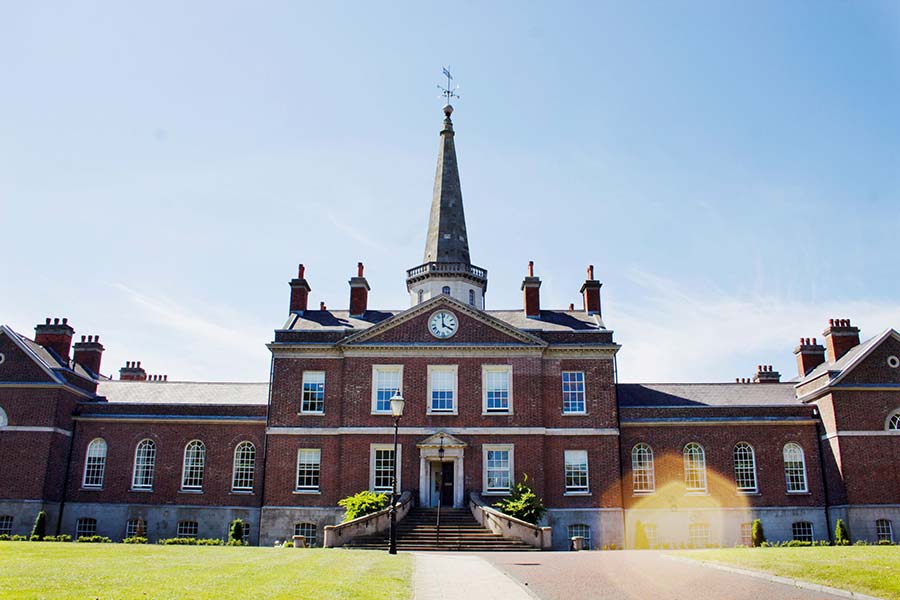
As Belfast grew rapidly in the 19th century, so too did the demands on the Poor House. Although not originally intended to house children, increasing poverty led to their admission. Major expansions followed in the 1860s and 1870s, funded by philanthropists John Charters and Edward Benn.
Charters financed a dedicated children’s wing, reflecting his belief in education as a route out of poverty. Benn funded two further wings, transforming Clifton House’s capacity and living conditions. Their names and legacies remain carved into the fabric of the building.
By 1882, the last child had left the Poor House, and the building became the Belfast Charitable Institution, focusing on care for the elderly and infirm a role it continued for more than a century.
Clifton House Today
Now a Grade A listed building, Clifton House continues its original mission of care. It provides residential and sheltered housing for older people and remains the home of the Belfast Charitable Society. At its heart lies Clifton House Centre, where the past is brought vividly to life through guided tours, exhibitions, talks, and immersive augmented reality experiences, including a new self guided audio tour experience. Visitors can explore over 250 years of history, discovering the stories of the residents, reformers, and philanthropists who shaped the city.
The building also houses a vast archive dating back to the 1600s, including admission records, minute books, burial registers, and collections related to Mary Ann McCracken. These resources offer invaluable insights into Belfast’s social history.
Clifton Street Cemetery
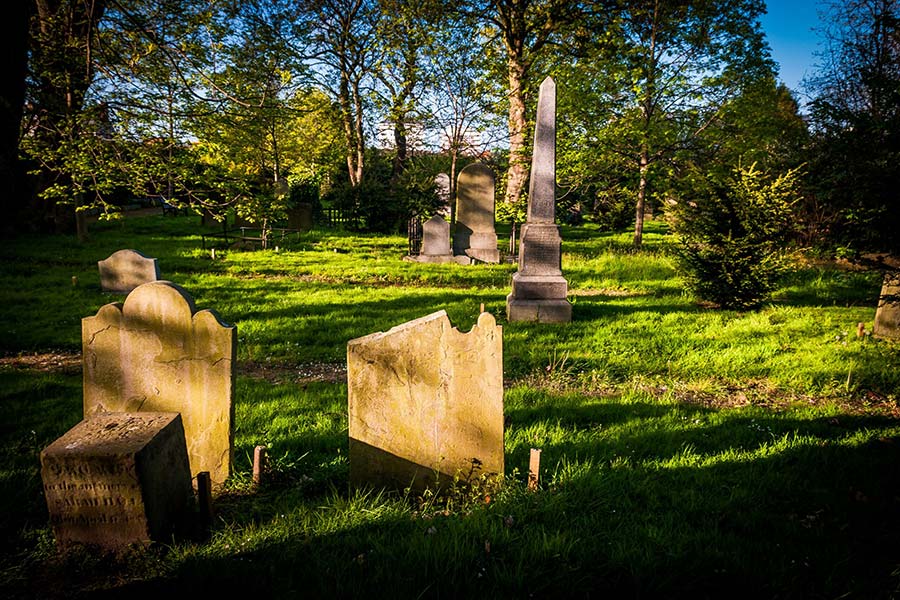
Just steps away lies Clifton Street Cemetery, opened in 1797 as Belfast’s “New Burying Ground.” Writing in the 1950s, R.W.M. Strain, a local doctor and historian, described Clifton Street Cemetery as ‘a veritable Westminster Abbey in miniature’. It is the final resting place of industrialists, reformers, engineers, and revolutionaries, alongside mass graves of famine and cholera victims.
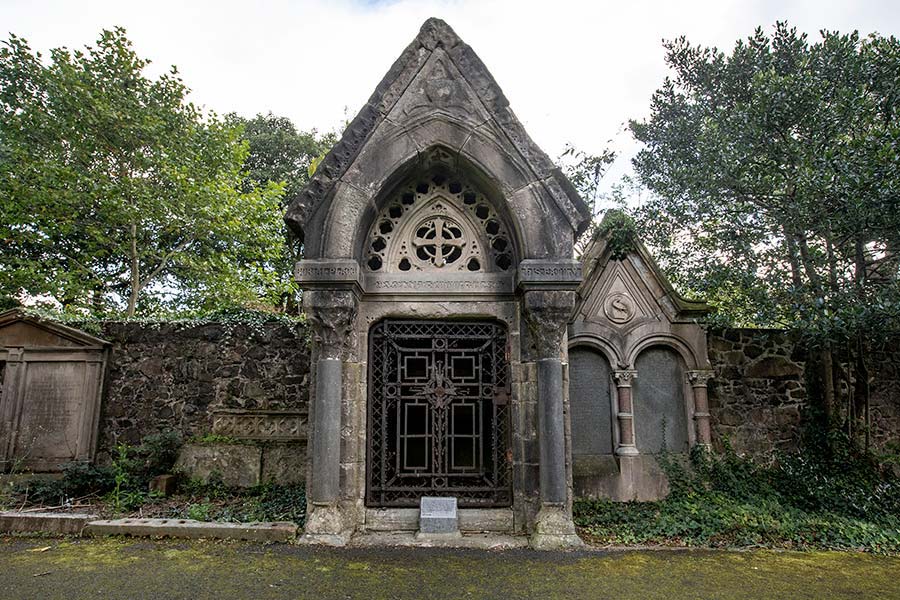
Among those buried here beside the poor are Mary Ann McCracken, the Dunville whiskey family, and blind engineer Alexander Mitchell, inventor of the screw-pile lighthouse foundation. At times, sitting side by side, their graves reflect Belfast’s stark contrasts of wealth and poverty, progress and hardship.
Today, Clifton House runs public and private tours of the cemetery, ensuring these stories continue to be told.
Where Belfast’s Story Begins
From its foundation as a Poor House in 1774 to its modern role as a unique heritage site and conference venue, Clifton House stands as a testament to compassion, innovation, and civic responsibility. Though surrounded by the modern city, its spire, clock, and gardens remind visitors that Belfast’s story began here, and that philanthropy still lives on within its walls. Whether you are exploring the past through a guided or self-guided tour, attending a heritage talk, or simply walking through its historic halls, Clifton House offers an experience unlike any other in Belfast.
How to visit Clifton House?
You can visit Clifton House and hear more about the wider story within Belfast on our Belfast City Sightseeing tour bus, stop 19 on our tour will drop off beside the house.
Please note: Clifton House is a working building and is not open to the public outside of bookable tours.
For events and to find out what’s on, please visit the Clifton House Events page
We can be contacted by email at info@citysightseeingbelfast.com or through our tour office on +44 (0)28 90 321321. We look forward to seeing you soon!